Subaru Outback Wilderness Edition Selling Out Every Allocation Across All Dealers
A hot vehicle does not always announce itself with a flashy ad campaign. Sometimes it shows up in quieter ways: short dealer lists, early deposits, shoppers calling three towns over, and the strange feeling that the trim you want is always “already spoken for.” That is the pull around the Subaru Outback Wilderness right now, especially among U.S. buyers who want trail ability without moving into a truck-size SUV. The claim that every allocation is gone should be read with care, because public listings still show some units at certain Subaru dealers. Still, the pressure feels real for shoppers chasing the right color, package, and delivery window. For readers following auto market reporting, this is the kind of demand story that matters because it sits where lifestyle, inventory, pricing, and brand loyalty all meet. The Wilderness trim is not selling on raw numbers alone. It is selling because it answers a specific American need: one car for the weekday commute, the muddy trailhead, the ski rack, the dog crate, and the long drive home.
Why Demand Feels Stronger Than Normal
The first thing to understand is that this is not a normal “new model arrives, buyers get curious” moment. Subaru has spent years building trust with drivers who care about winter traction, light adventure, and practical space. The Wilderness trim takes that trust and adds a rougher edge. That matters in states where a gravel road is not a weekend fantasy. It is part of daily life.
The tension comes from choice. Many buyers do not want a full off-road SUV with poor road manners and high fuel bills. They also do not want a soft crossover that looks outdoorsy but feels nervous outside pavement. The Wilderness trim sits in the middle, which is exactly why dealer allocation conversations get heated.
Why Subaru Buyers Move Fast on the Wilderness Trim
Subaru shoppers often know what they want before they walk into the showroom. A buyer in Colorado may already know they need ground clearance for rutted forest roads. A family in Vermont may care more about snow confidence than third-row seating. A weekend camper in Oregon may want all-wheel drive, durable seating, and roof gear without buying a body-on-frame rig.
That kind of buyer does not browse forever. They compare trim sheets, check local inventory, and ask a dealer what is coming next. When the right unit appears, the decision can happen fast.
The non-obvious part is that demand is not only about adventure. It is about avoiding regret. A shopper may choose the Wilderness trim because they do not want to buy a standard crossover and spend the next five years thinking, “I should have gone one step tougher.” That fear pushes people toward deposits.
Why Allocation Pressure Hits Small Markets Hard
Allocation pressure does not feel the same everywhere. A large metro dealer may show several incoming vehicles, while a smaller dealer may have one or two that disappear before the weekend. That unevenness creates the “selling out everywhere” feeling, even when public inventory tells a more mixed story.
A buyer in rural Pennsylvania might call the closest Subaru dealers and hear the same answer: incoming units are limited, colors are uncertain, and the next batch may already have names attached. Meanwhile, a dealer two states away may list a unit online. Both things can be true.
This is why new SUV inventory planning matters for buyers. The smartest shoppers do not only search by distance. They ask about incoming allocation, refundable deposits, accessory add-ons, and whether the posted unit is available or already reserved.
Subaru Outback Wilderness Demand Is About Trust, Not Hype
The reason this story has legs is simple: Subaru has a loyal customer base that treats the Outback like a tool, not a fashion item. The redesigned 2026 model has a taller, more upright look, and that has sparked plenty of debate among longtime fans. Yet the Wilderness trim benefits from the change because the boxier shape matches the role better.
Some shoppers may complain that the Outback has moved closer to a regular SUV. Then they sit inside, check the cargo area, picture bikes or dogs in the back, and start to understand the point. The design argument fades when the vehicle fits a real life.
How the Redesigned Look Helps the Off-Road SUV Image
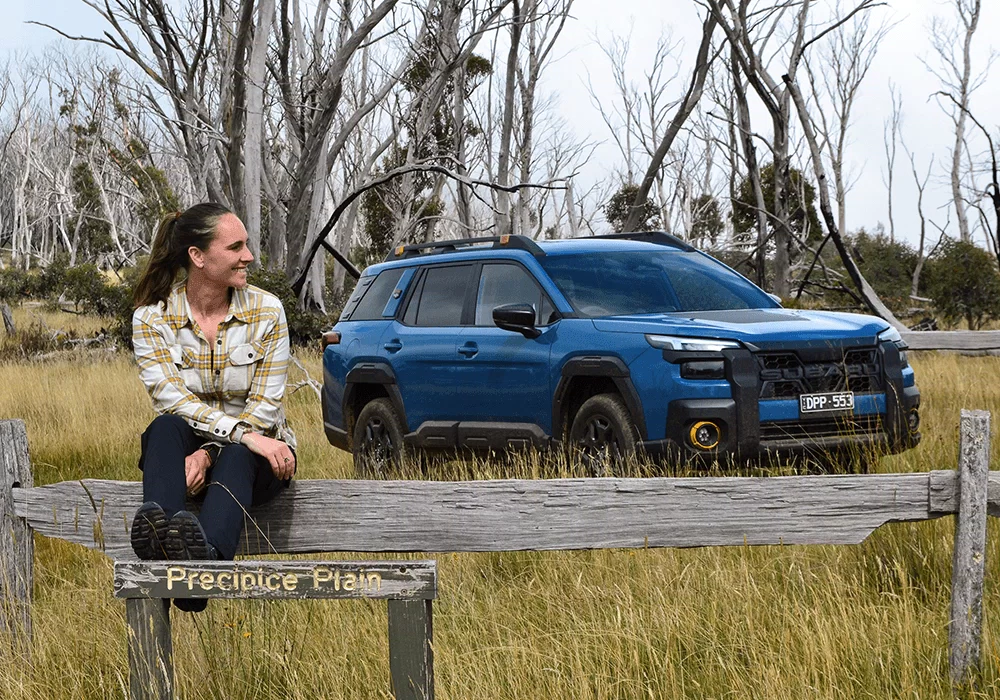
The older Outback carried wagon DNA proudly. That was part of its charm. The newer shape leans harder into the SUV lane, and many purists do not love that. Still, for the Wilderness trim, the shift works. The upright stance makes the vehicle look more serious before anyone reads the spec sheet.
This matters on a dealer lot. A shopper comparing crossovers may not understand approach angles or center differential changes. They can understand a tougher stance, cladding, raised suspension, and all-terrain tires. Visual confidence sells before technical confidence gets a chance.
The official 2026 Wilderness page lists key hardware such as a 260-hp turbocharged BOXER engine, 9.5 inches of ground clearance, electronically controlled dampers, and 17-inch wheels with all-terrain tires. That mix gives buyers a reason to see the trim as more than a styling package.
Why the Price Has Not Killed Buyer Interest
The 2026 Outback lineup is not cheap compared with older entry points. Subaru’s own build page shows the Wilderness trim starting at $44,995 before added charges and options. That price can make value-focused shoppers pause, especially when other crossovers promise lower monthly payments.
Yet price resistance does not always stop a focused buyer. It often changes how that buyer shops. They may skip accessories, widen the search radius, or wait for the exact color instead of settling. The trim still wins when the buyer sees it as a long-term fit.
Here is the quiet truth: a higher price can make allocation pressure feel stronger. When shoppers commit at that level, they tend to be serious. Casual buyers drift away. Motivated buyers remain, and dealers know the difference.
What Buyers Should Know Before Calling Subaru Dealers
Calling Subaru dealers without a plan can waste your afternoon. The listing you saw online may be sold, inbound, reserved, used for test drives, or loaded with dealer-installed accessories. That is frustrating, but it is also normal when demand gathers around a specific trim.
The better move is to treat the search like a clean process. Ask direct questions. Get answers in writing when money enters the conversation. Keep your trade-in separate from the availability talk until you know the unit exists.
Which Questions Reveal Real Wilderness Trim Availability?
Start with one basic question: “Is the vehicle physically on the lot and available for sale today?” That cuts through most confusion. If the answer is no, ask whether it is inbound, already allocated to a buyer, or open for deposit.
Then ask about the window sticker, out-the-door price, deposit rules, and whether any accessories are required. Some dealers may add protection packages, cargo gear, or appearance items. These can be fine if you want them. They become a problem when they turn a fair price into a forced bundle.
A strong call sounds like this: “I am ready to buy if the vehicle is available, but I need the VIN, full price sheet, deposit terms, and expected delivery date before I move forward.” That sentence saves time. It also tells the dealer you are not window-shopping.
When Waiting Beats Paying More
Scarcity can make people act against their own interests. A buyer sees one Geyser Blue unit three hours away, hears another shopper is interested, and suddenly a few thousand dollars in add-ons feels acceptable. Sometimes it is. Often, it is panic wearing a jacket.
Waiting can be the better play when you are flexible on color or timing. Public pricing snapshots from sources such as Kelley Blue Book have shown discounts below MSRP on some 2026 Outback trims, while individual dealer inventory pages may show sale pricing that differs from sticker. That does not guarantee your local deal. It does prove the market is not one simple nationwide story.
A smart buyer separates desire from urgency. Wanting the vehicle is fine. Treating the first available unit like the last one in America is how people overpay.
The Real Reason This Trim Fits American Driving
The Wilderness trim works because U.S. driving is messy. One week can include school drop-off, Costco runs, highway rain, a dirt parking area at a trailhead, and a long interstate trip to visit family. Few buyers need a rock-crawling machine. Many need a vehicle that does not flinch when the pavement ends.
That is where the off-road SUV conversation gets more honest. Capability is not always about extreme trails. For many Americans, it means confidence on snow-packed streets, sandy campground roads, steep gravel driveways, and remote boat launches.
Why Practical Adventure Beats Extreme Capability
Extreme off-road vehicles look exciting, but they can be tiring in normal life. Big tires add noise. Heavy frames can hurt fuel use. Tall step-in height gets old when you load groceries or buckle a child into a seat.
The Wilderness trim takes a different path. It gives drivers more ground clearance and trail-minded equipment while keeping the Outback’s daily-use shape. That balance is the appeal. You can park it at work on Friday and load it for a muddy cabin road on Saturday.
The counterintuitive insight is that moderation sells. Buyers may dream about wild trails, but they spend most miles on normal roads. A vehicle that handles those miles well while still feeling ready for rough weather has a better chance of becoming the family favorite.
How Lifestyle Branding Becomes a Practical Decision
The Wilderness badge looks like lifestyle branding, and in one sense, it is. Copper accents, rugged trim pieces, and tougher textures all send a message. But good branding works only when it connects to a real use case.
Think about a family in upstate New York with two dogs, a roof box, and winter tires stacked in the garage. They are not buying an image. They are buying fewer compromises. The easy-clean seating matters after a wet hike. The cargo space matters after a hardware store run. The all-wheel-drive confidence matters when a storm arrives before the plow.
That is why off-road crossover shopping tips should focus less on fantasy trails and more on weekly friction. The right vehicle removes small problems before they become part of your routine.
Conclusion
The Wilderness trim’s tight availability story says more about buyer behavior than any single inventory page can show. People are chasing a specific mix: Subaru trust, trail-ready hardware, daily comfort, and a shape that feels ready for American weather. The headline may sound absolute, but the smarter reading is more useful. Subaru dealers can have uneven supply, some units may be reserved before arrival, and others may still appear online depending on region, color, and pricing. That is why the Subaru Outback Wilderness has become such a focused search for many shoppers instead of a casual test-drive idea. If you are shopping now, do not let scarcity make the decision for you. Ask sharper questions, compare real out-the-door numbers, and stay patient enough to avoid a bad deal. A popular trim can still be the right buy, but only when the numbers, timing, and vehicle match your life. Start with the official 2026 Wilderness page, then call dealers with a plan.
Frequently Asked Questions
Is the Outback Wilderness sold out at every Subaru dealer?
No public source proves that every dealer is sold out. Some stores may have units available, while others may have inbound vehicles already reserved. Availability can change by region, color, package, and deposit activity, so buyers should call dealers directly.
Why is the Wilderness trim so hard to find in some areas?
Demand is concentrated among shoppers who want all-wheel drive, higher clearance, and daily comfort in one vehicle. Smaller dealers may receive fewer units per allocation, which can make the trim feel scarce even when inventory exists elsewhere.
Is the Wilderness trim worth paying over MSRP for?
Paying over MSRP only makes sense when timing matters more than price. Most shoppers should compare nearby states, ask for full out-the-door quotes, and avoid forced add-ons before agreeing to a premium.
What should I ask a dealer before placing a deposit?
Ask whether the vehicle is on the lot, inbound, or already reserved. Then request the VIN, window sticker, delivery estimate, refund policy, full price sheet, and any required accessories before sending money.
Does the Wilderness trim drive like a normal SUV?
It is built for daily driving with added rough-road confidence. The raised suspension and all-terrain tires may change the feel compared with softer trims, but the main appeal is that it remains practical for commuting, errands, and trips.
What makes the Wilderness trim different from other Outback trims?
It adds a trail-focused setup with higher ground clearance, tougher exterior details, all-terrain tires, durable interior materials, and a turbocharged engine. The goal is more confidence off pavement without giving up everyday usefulness.
Should I wait for more dealer allocation?
Waiting can help if you are flexible on color, package, or delivery date. Buyers who rush often accept add-ons or weaker pricing. A short wait may give you cleaner choices and stronger negotiating room.
Is this a good family vehicle for outdoor trips?
Yes, for families that need cargo space, all-weather confidence, and easier access than larger trail vehicles. It works best for camping, snow, dirt roads, pets, gear, and long weekend drives rather than extreme off-road use.